Are vibratory bowl feeders noisy?
They can be, especially with hard or metallic parts, but noise can often be reduced through setup and options.
Guide
Practical considerations for reducing avoidable noise from vibratory bowl feeders in production areas.
Specification focus
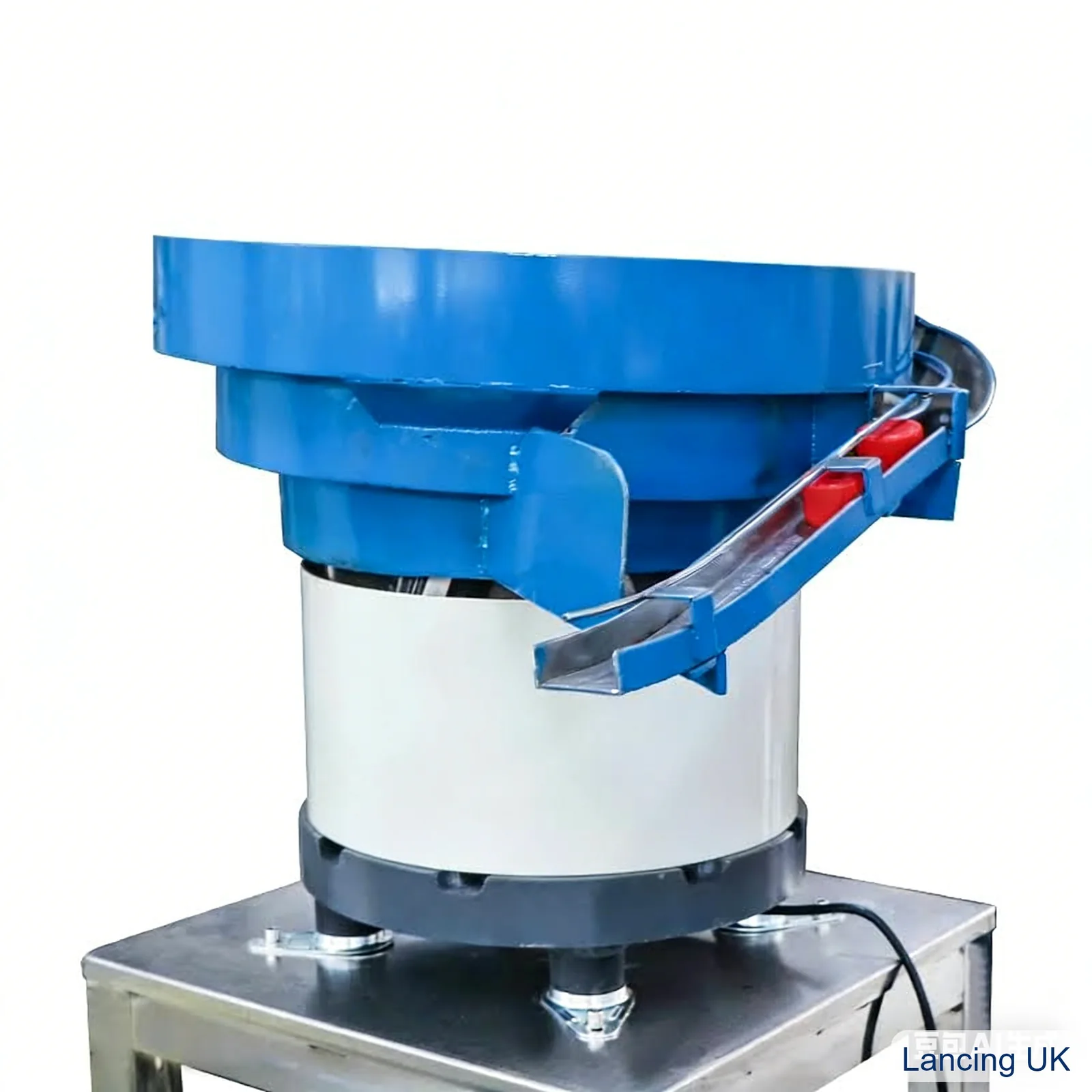
Bowl feeder noise depends on the feeder, the part, the speed, the environment and whether parts are striking hard surfaces unnecessarily. Noise cannot always be removed, but design and setup choices can reduce avoidable issues.
Metal, hard plastic and irregular parts can create more impact noise than soft or light components.
Linings and surface choices may reduce noise and marking for suitable parts.
Acoustic covers can reduce sound exposure while also improving operator safety and cleanliness.
Planning details
These points help Lancing UK narrow the feeder route and avoid a generic specification.
| Area | What matters |
|---|---|
| Noise factors | Part material, bowl speed, track design, hopper drop height and factory acoustics. |
| Possible reductions | Acoustic cover, lining, speed tuning, lower drop heights and regular maintenance. |
| Maintenance checks | Loose fasteners, worn tooling, incorrect settings and damaged linings. |
| Design check | Balance output speed with acceptable sound and part handling. |
Quick answers
They can be, especially with hard or metallic parts, but noise can often be reduced through setup and options.
Yes, covers can help reduce transmitted noise, although the exact reduction depends on the feeder and environment.
Often yes, but the feed rate still needs to meet the downstream machine requirement.
Use these pages to compare related feeder options and prepare a stronger quote request.
Send samples, photos, required orientation and target output to Lancing UK.
Practical acceptance criteria
This additional section focuses on noise sources, bowl loading, acoustic enclosures, running speed and operator environment constraints rather than repeating generic automation definitions.
| Briefing area | Evidence to collect | How it helps the feeder decision |
|---|---|---|
| Sample set | Good parts, rejected parts if available, drawings, photos, dimensions, material and finish notes. | Shows how the real component behaves in the bowl, track and reject route. |
| Required output | Target feed rate, line demand, acceptable accumulation and any stop/start sequence. | Prevents over-specifying or under-specifying the bowl, hopper and controller. |
| Orientation and handover | Required exit attitude, discharge height, downstream machine inlet, chute direction and pick point details. | Defines whether the system needs a bowl, linear track, chute, escapement or sensor confirmation. |
| Operating constraints | Noise, static, cleanability, coating, access, guarding, operator refill and maintenance expectations. | Highlights practical limitations before design, quotation and installation. |
If the requirement is a bowl, cap or component feeding project, move from the guide to the matching product route.
View productsIf the requirement starts with the cap, pump, trigger, screw cap or small component, use the application route first.
View applicationsWhen samples and line details are available, send them through the enquiry form so Lancing can assess the route.
Request a quote