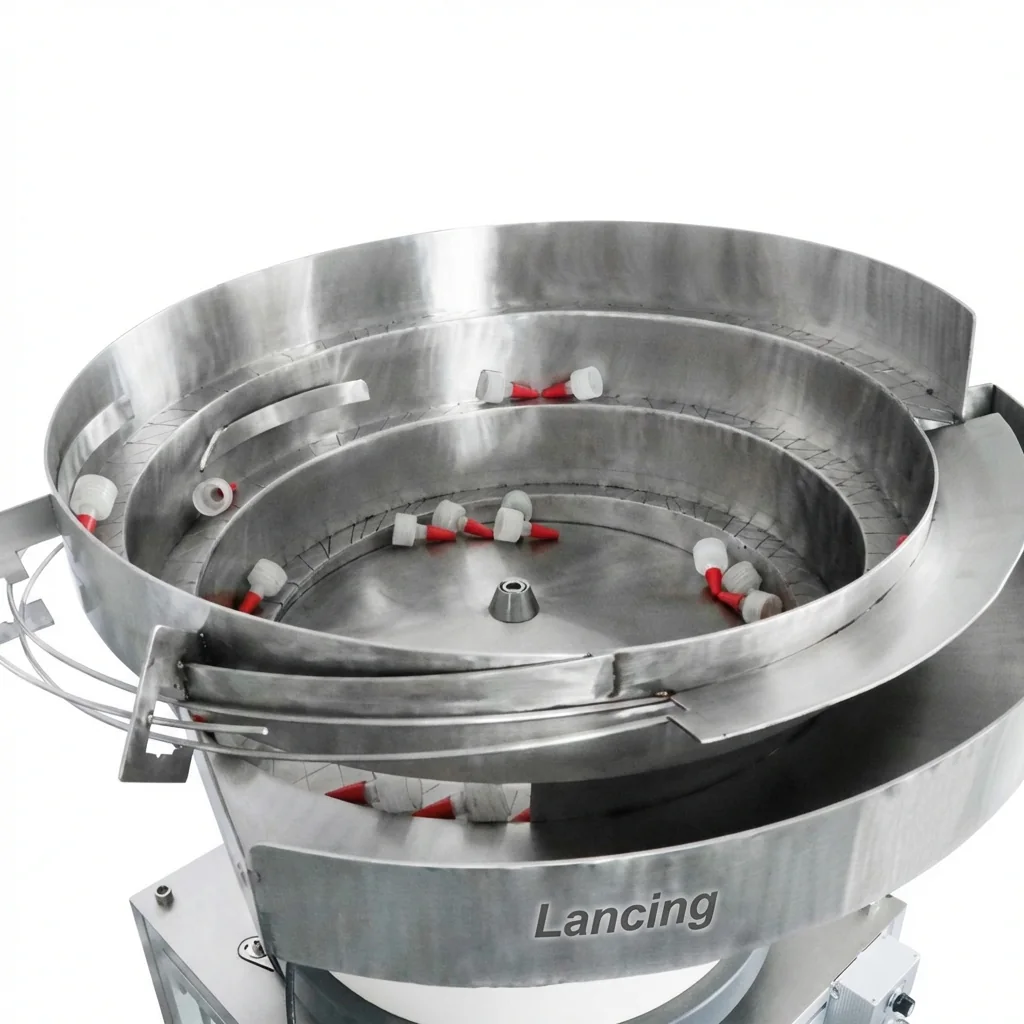
Vibratory bowl feeders
Custom bowls and tracks for caps, closures, small components and part presentation.
- Sort, orient and feed
- Custom tooling and discharge
- Stand, controller and integration options
Bowl feeders UK · Lancing UK
Custom bowl feeder systems that sort, orient and feed components into capping machines, assembly fixtures and automated packaging lines.
What we supply
Choose the feeder route around the part, orientation requirement, downstream machine and target output.
Custom bowls and tracks for caps, closures, small components and part presentation.
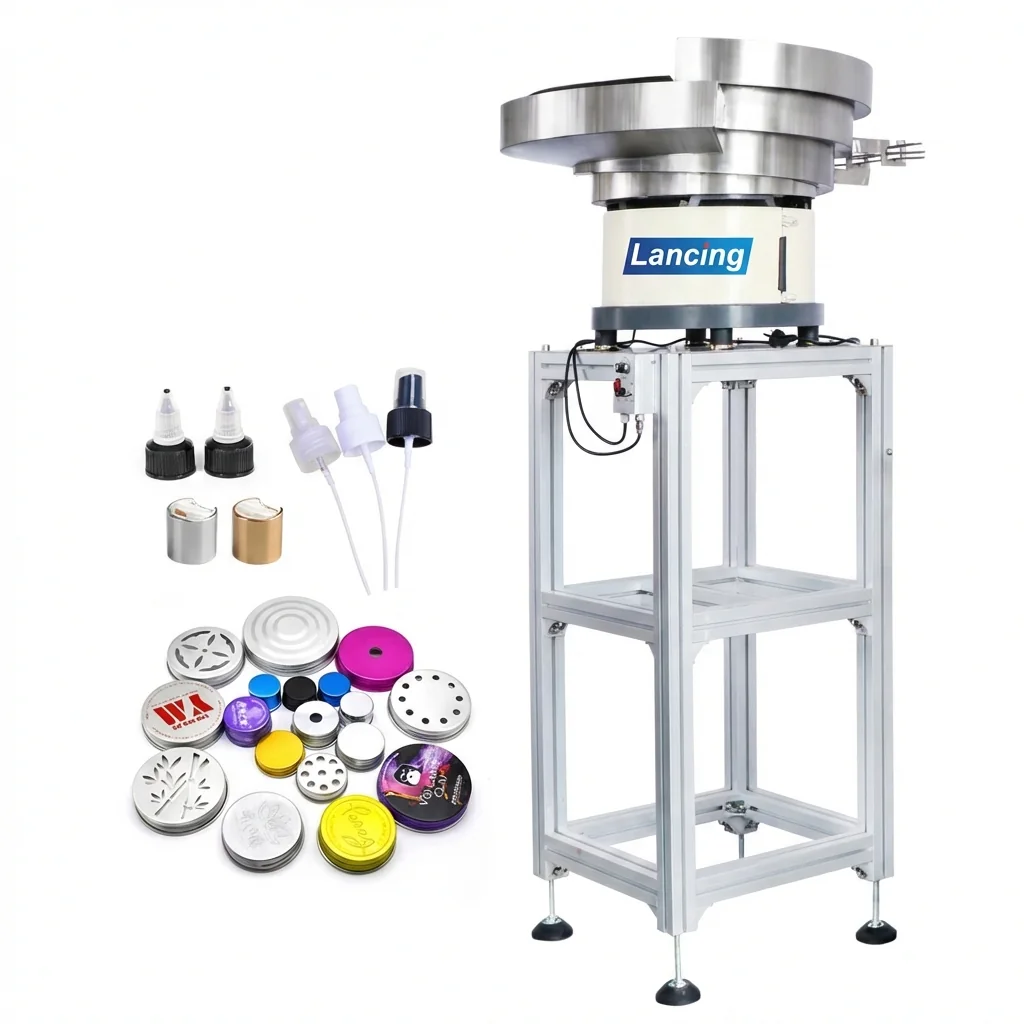
Feeding systems for screw caps, pumps, triggers, sprayers and specialist closures feeding automatic capping lines.
High-speed orientation for crown caps and closure applications where the cap must reach the capper correctly presented.
How it works
A bowl feeder uses vibration, track geometry and tooling to move loose components into a consistent orientation. The aim is a stable feed into a capping machine, pick-and-place point, assembly station or counting system.
We review samples, dimensions, weight, material, symmetry and the correct exit orientation.
The bowl profile, tooling gates and discharge route are designed around the component.
Outlet height, chute design, sensors and control signals are matched to the downstream equipment.
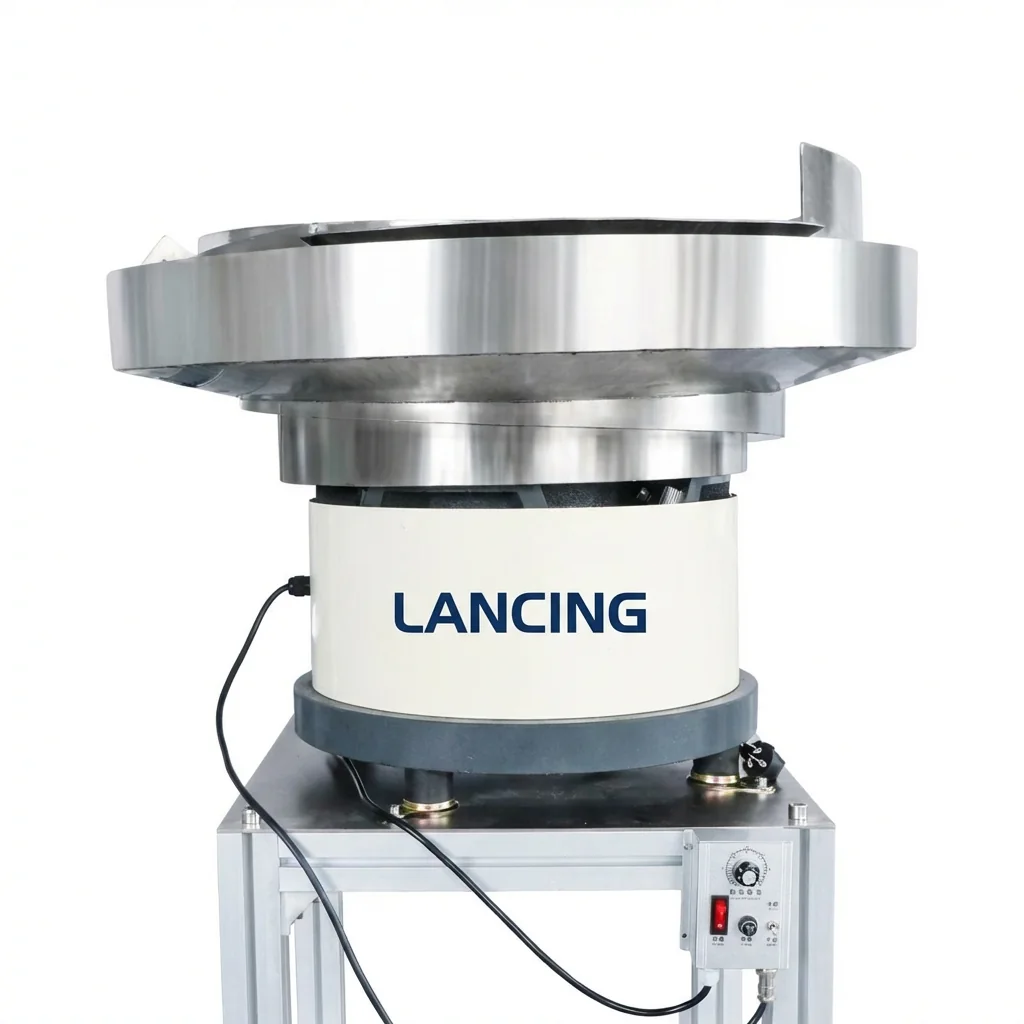
Applications
Designed for components that need repeatable orientation before the next automated operation.
Oriented feed for plastic caps into automatic bottle capping systems.
Presentation support for pumps, sprays, trigger heads and more awkward closures.
Closure orientation for crown-cap and beverage capping applications.
Assembly, counting and presentation for hardware, components and similar repeatable parts.
Technical considerations
Final design depends on the component and downstream line requirement.
| Area | What we confirm | Why it matters |
|---|---|---|
| Component samples | Size, weight, shape, material and variation between batches. | The bowl tooling and orientation method are part-specific. |
| Required orientation | Open side up/down, cap thread direction, pump orientation or discharge angle. | Correct presentation avoids jams and misfeeds downstream. |
| Output target | Parts per minute and any surge/accumulation requirement. | The feed rate needs to match the machine without starving or flooding it. |
| Integration | Outlet height, chute, sensor, start/stop signal and available footprint. | The feeder must work with the capper, applicator or assembly fixture. |
| Options | Bulk hopper, level sensor, anti-static lining, acoustic cover or custom frame. | Optional equipment improves consistency, ergonomics and operator control. |
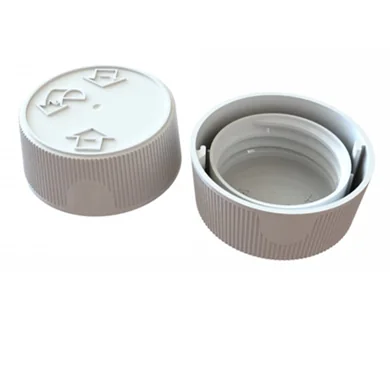
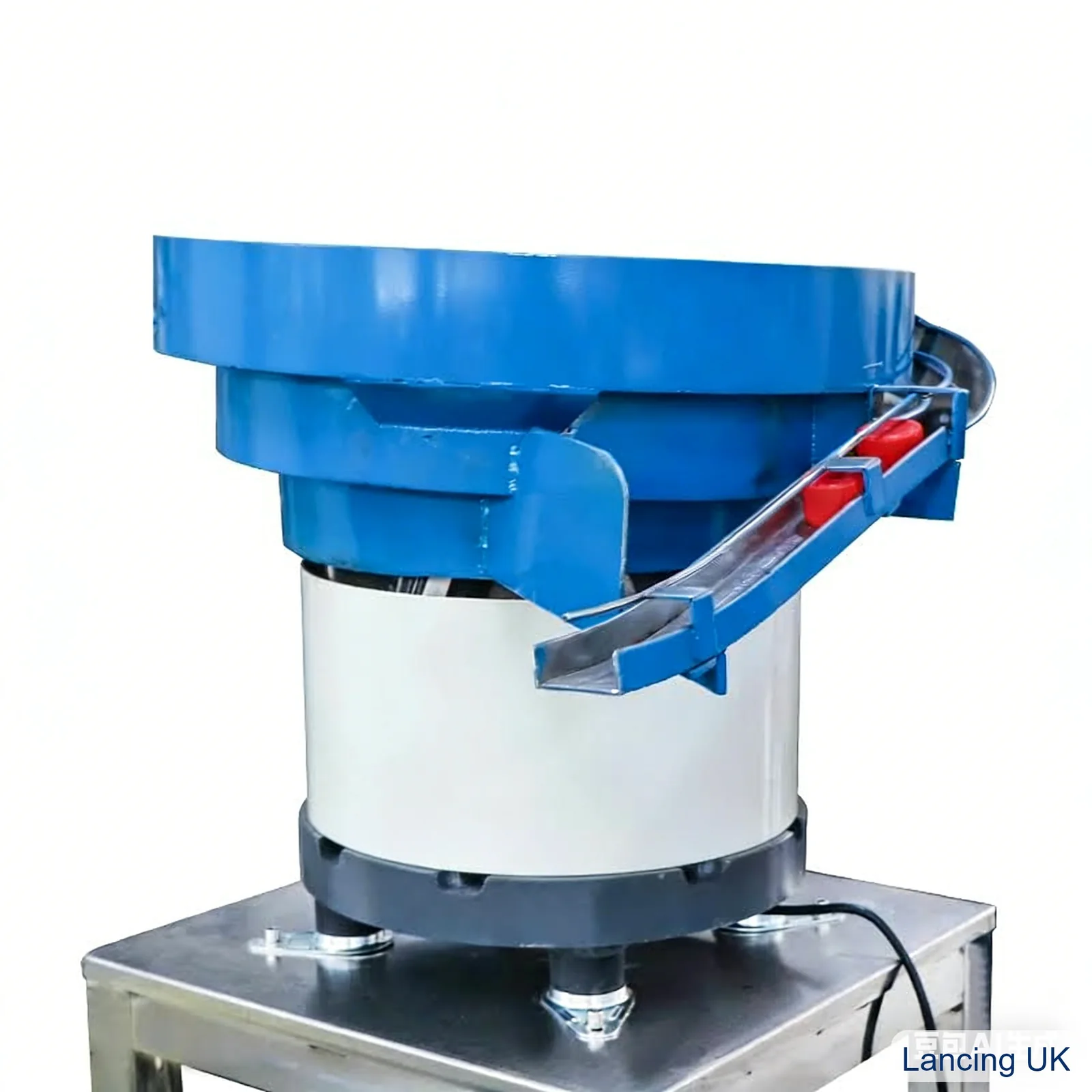
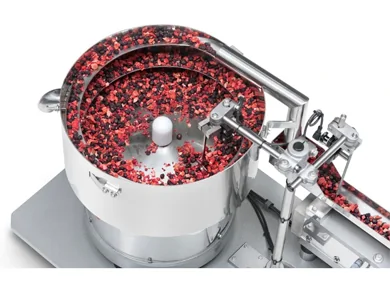
Representative bowl feeder, cap feeder and closure sorting assets included in this site build.
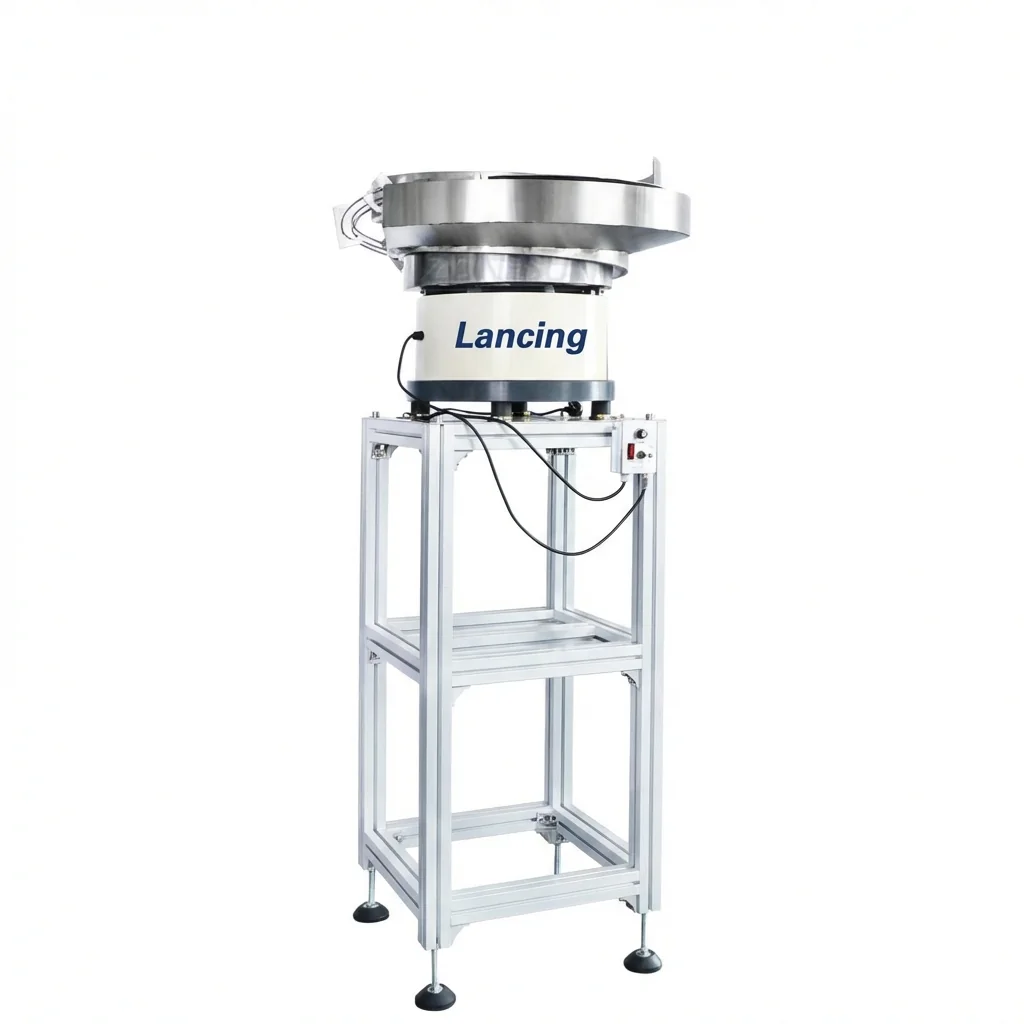
Planning route
A practical process for reducing feeder risk before installation.
Send caps, pumps, closures or parts with drawings and target orientation.
We check the downstream capper, chute, height, controls and available space.
Feeder bowl, tooling, hopper and sensor options are scoped clearly.
Lancing UK can support setup, training, spares and aftercare.
FAQs
It sorts and orients loose components so they can be fed into a capping machine, assembly station, pick point or counting system in a consistent direction.
Sometimes, but it depends on shape and size difference. Multi-format tooling is assessed against real samples and the changeover requirement.
Send sample parts, dimensions, orientation requirement, target speed, downstream machine details, discharge height, utilities and available footprint.
Yes. Lancing UK can review the existing machine, capper infeed, controls and space constraints to confirm the most practical feeder route.
Popular search routes
These focused pages target the questions buyers normally search before asking for a bowl feeder quote.
Send photos, sample dimensions and your target output. Lancing UK will confirm the best feeder configuration.
Explore feeding applications
Compare closure feeders, screw-cap orientation, feeder tooling and contract-packing applications to identify the configuration needed for your parts and production line.
Specification depth
The strongest bowl feeder enquiries include enough engineering detail for Lancing to assess the component, orientation route and downstream interface before quoting.
Send photos, samples, dimensions, material, weight, surface finish and the part features that can be used for orientation. Caps, pumps, triggers, sprayers, crown caps and small parts all behave differently in a bowl.
Sample requirementsConfirm the target parts per minute, acceptable accumulation, discharge height, chute direction, handover point and whether the feeder must follow a capper, assembly machine or pick-and-place cell.
Integration checklistUseful proof comes from sample-led tooling checks, trial video where available, and honest notes on recirculation, reject points, static, noise and change-part constraints.
Tooling options| Search intent | Best page on this site | Why it owns the topic |
|---|---|---|
| Vibratory bowl feeder selection | Vibratory bowl feeders | Focused on bowl, drive, track, tooling and part orientation. |
| Cap orientation before capping | Cap feeding systems | Covers closure feed, chute handover, hoppers, sensors and capper interface. |
| Small component presentation | Component feeding systems | Targets non-closure parts where orientation and presentation are the buying problem. |
| Maintenance, noise, static or jam problems | Troubleshooting guide | Explains practical failure modes without inventing unsupported performance figures. |
Engineering specification
The best bowl feeder route is normally decided by the part and the downstream machine, not by the bowl alone. Lancing uses the component sample, presentation requirement and interface details to reduce avoidable trial risk before a system is quoted.
Caps, closures and production parts should be checked for diameter, height, weight, centre of gravity, surface finish and batch variation. Small changes in moulding, thread detail, hinges or sprayer shape can alter how a part behaves on the track.
Sample requirementsThe feeder needs a clear definition of the good orientation, the unacceptable orientation and what happens to rejected parts. Gates, tracks, recirculation and escapements are selected around the orientation that the capper, pick point or assembly fixture needs.
Cap sorting routeDischarge height, chute angle, sensor position, start-stop signal, controller access and available footprint need to match the downstream machine. These details are especially important when a feeder is being added to an existing capping or assembly line.
Controller options| Specification item | What Lancing needs | Why it affects the feeder |
|---|---|---|
| Target rate | Required parts per minute and whether the downstream machine runs continuously or intermittently. | Helps size the bowl, track and any hopper without inventing unsuitable rate claims before samples are tested. |
| Discharge presentation | Exit orientation, height, hand-off point and whether the part feeds into a chute, escapement, capper or pick-and-place nest. | Controls how the tooling presents the part at the final transfer point. |
| Operating environment | Cleaning expectations, noise limits, static concerns, coating needs and operator access requirements. | Influences lining, covers, access panels, sensors and maintenance planning. |
| Format changes | Known part families, changeover frequency and whether shared or dedicated tooling is preferred. | Defines whether multi-format feeding is realistic or whether separate change parts are safer. |
Technical resource centre
These engineering guides help buyers choose a feeding route, prepare representative trials, define controls and reduce integration risk before quotation.
Compare vibratory bowl feeders and centrifugal feeders by component geometry, orientation, output demand, changeover and downstream handover.
Compare bowl feeders and step feeders for part geometry, noise, recirculation, footprint, changeover and automated line integration.
Compare flexible feeding and vibratory bowl feeding for part variety, changeover, vision, orientation, output and robot integration.
Prepare a bowl feeder factory acceptance test covering samples, output profile, orientation, rejects, sensors, handover and documentation.
Prepare for bowl feeder installation with checks for layout, discharge height, utilities, access, controls, guarding, samples and commissioning.
Plan bowl feeder sensors, controls and PLC interfaces for demand, level, blockage, escapement, faults and downstream machine handshakes.
Guide to bowl feeder coatings, linings and contact-surface choices for noise, friction, marking, static, cleaning and component protection.
Plan bowl feeder hopper capacity and refill control around part behaviour, line demand, operator access, level sensing and changeover.
Plain-English glossary of bowl feeder, tooling, track, orientation, reject, recirculation, escapement, sensor and integration terminology.
Plan component feeding with counting or batching for kits, containers and assembly processes, including singulation, sensors, rejects and verification.
Guide to automatic fastener feeding for screws, nuts, washers and small metal components, covering geometry, orientation, tracks and handover.
Buyer questions
These answers explain the project details that most often change the feeder route before bowl tooling, controls and the handover are fixed.
The component geometry, accepted orientation, target demand profile and downstream handover most often change the feeder concept. A cap that appears simple may need a different track, reject route or discharge arrangement once the thread, hinge, surface finish, centre of gravity and receiving-machine inlet are reviewed together.
A bowl feeder is only useful when the correctly oriented part reaches the next process in the right position, spacing and condition. Discharge height, chute direction, escapement cycle, sensor location and the receiving machine’s request signal therefore need to be agreed alongside the bowl and tooling rather than after them.
A representative trial can reveal how real parts nest, tangle, bounce, mark, accumulate, recirculate and respond to tooling. Drawings and photographs support an early review, but they do not reproduce batch variation, friction, contamination or the behaviour of parts at the required handover point.
Describe the downstream cycle, normal consumption, short peaks, planned stops and how much correctly oriented accumulation is acceptable. The useful requirement is not simply an average parts-per-minute figure; it is the demand pattern the feeder, track, sensors and control logic must support without starving or flooding the machine.
Evidence-led buying routes
The strongest enquiry starts with the part sample, required orientation, output target, handover height and line controls. These additional guides help buyers turn that information into a clearer feeder brief.
Use feeder videos to check movement, orientation and discharge behaviour without treating a short clip as a complete production acceptance test.
View trial video guidanceConfirm discharge height, receiving machine position, access, hopper space and guarding envelope before the feeder layout is fixed.
Plan feeder layoutWhere guarding, PUWER, cleaning, hygiene or washdown are important, state the requirement before quotation so the route is scoped correctly.
Read safety considerationsUK search research shows buyers often look beyond the generic bowl-feeder term and ask about repairs, bulk hoppers, medical or automotive components and plastic moulded parts. These routes now help visitors reach the most relevant specification guidance faster.
Useful when a working feeder now jams, runs slowly, marks parts or no longer matches the component.
Review repair and upgrade optionsCompare manual refill, hoppers, elevators, level sensing and controlled feed into the bowl.
Plan bulk hopper feedingUse the medical, automotive and plastic-moulded-part routes where the component has tighter handling or presentation needs.
See medical component feedersCompare both approaches using the same components and the same final presentation requirement. Record accepted parts at the hand-off, surface damage, noise observations and recovery from poor orientation. Include bulk loading, buffering and changeovers so that the comparison covers the complete feeding task rather than a single mechanism.
A feeder project is easier to compare when the required result is described at the discharge point. A component moving around a bowl is only part of the task: the receiving machine needs the correct face, attitude, spacing and release sequence. Identify the feature that distinguishes an acceptable part from one that must recirculate, then show where that feature must be when the part leaves the tooling.
Build the sample set around production variation. Keep examples from different moulding batches or suppliers identifiable, and separate intentional format changes from occasional damaged or malformed parts. That distinction helps a trial explain whether a different tooling arrangement is needed or whether the reject method needs further work. A short demonstration with one easy component does not describe the full production duty.
Review the route after the bowl as carefully as the bowl itself. A chute, linear track, escapement or pick point introduces a new handover. Record how the downstream machine requests parts, how a full track stops further supply and what the operator sees when a component is missing. These details make the proposed feeder easier to assess against your existing capper or assembly process.
Ask it to demonstrate acceptable presentation at the receiving point, with representative parts and the stop, refill and restart conditions your line experiences.
No. Include any downstream track, release mechanism and receiving-machine interface in the agreed scope so the handover can be evaluated.