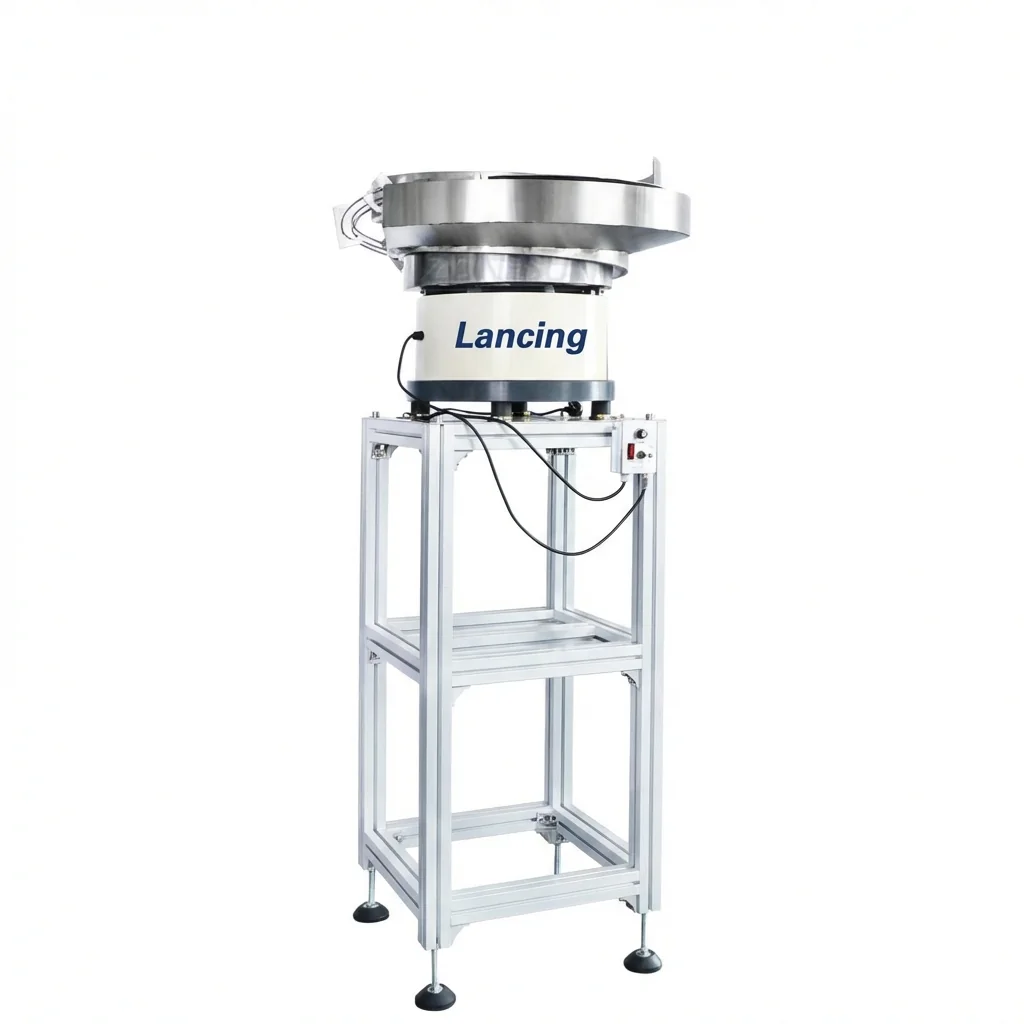
Vibratory bowl feeders
Custom bowl and track geometry for caps, pumps, sprayers and small parts.
- Stainless steel bowl options
- Custom tooling and discharge direction
- Controller and frame options
Products
Compare vibratory bowl feeders, cap feeder systems and closure sorting routes for automated packaging and assembly lines.
Custom bowl and track geometry for caps, pumps, sprayers and small parts.
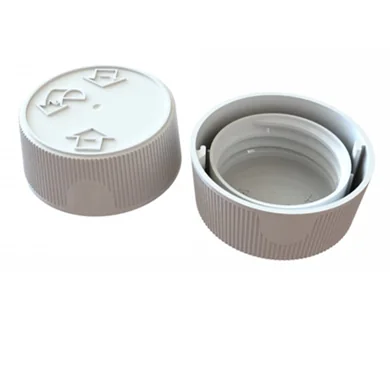
Systems that feed closures into automatic capping machinery with repeatable presentation.
Closure orientation systems for crown caps and beverage line applications.
Focused pages for buyers searching by feeder type, cap handling need or component-feeding problem.
Selection help
Bowl feeders are selected around the component, not just the machine name. Two caps that look similar can behave differently depending on centre of gravity, ribbing, material, finish and how the cap exits the bowl.
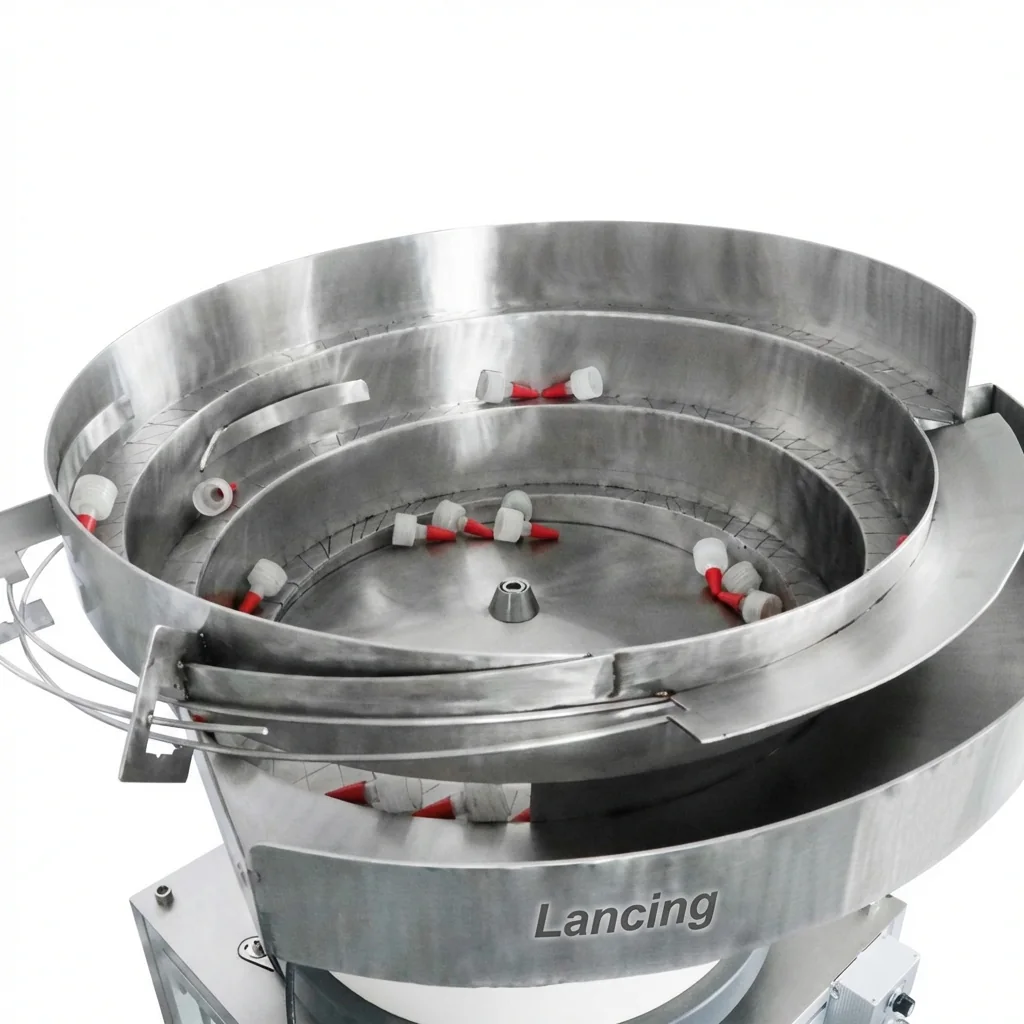
We can confirm whether you need a bowl feeder, cap elevator, hopper, sensors or a different part handling route.
Explore feeding applications
Compare closure feeders, screw-cap orientation, feeder tooling and contract-packing applications to identify the configuration needed for your parts and production line.
Buyer guidance
Use the product pages to separate the bowl, tooling, hopper, controller and discharge decisions before the final machine scope is agreed.
Start with the bowl feeder and tooling pages when the main problem is sorting, orienting and recirculating the component.
Vibratory bowl feedersUse cap feeder routes where caps, pumps, triggers or sprayers need to reach capping machinery in a stable orientation.
Cap feeding systemsUse controllers, hoppers, chutes and linear tracks to define the handover, controls and line-integration detail.
Escapements and chutes| Detail to confirm | Why Lancing needs it |
|---|---|
| Component geometry and material | The tooling, track and reject method depend on the actual cap, closure or part rather than the name of the application. |
| Required orientation and discharge height | The feeder must deliver the part in the correct attitude and at the correct mechanical interface point. |
| Target feed rate and line interface | The bowl, hopper, controller and sensors must be matched to the downstream process without over-feeding or starving it. |
| Noise, static, coating and cleaning needs | These constraints influence lining, covers, sensor selection, tooling access and maintenance planning. |
Product selection
Most projects need more than a bowl top. A working system may include a bowl, tooling, linear track, discharge chute, sensor package, controller, hopper, acoustic cover or integration frame. The correct combination depends on how the component moves and where it has to arrive.
| Product route | Best fit | Information needed before quotation |
|---|---|---|
| Vibratory bowl feeders | General sorting and orientation of caps, closures and small repeatable components. | Samples, target orientation, output target, discharge point and machine interface. |
| Cap feeding systems | Feeding screw caps, pumps, triggers, sprayers and closures into a capping machine. | Closure family, capper type, cap chute details, hopper need and stop-start controls. |
| Bowl feeder tooling | Project-specific tracks, gates, rejects, escapements and transfer chutes. | Part geometry, wrong-way rejection requirement, changeover plan and access needs. |
| Linear feeders | Carrying correctly oriented parts from the bowl to a machine interface or pick point. | Transfer distance, height, buffer requirement, sensors and footprint. |
| Controllers and sensors | Adjusting vibration and linking the feeder with the downstream machine. | Available signals, line logic, sensor type, operator access and fault handling. |
Confirm the product family, outlet height and capper or assembly machine before locking the feeder footprint. That avoids a feeder that works in isolation but is awkward to install.
Photographs of the existing machine, available space and current operator method help Lancing assess whether the feeder can be integrated cleanly.
List every cap or component you want to run. Shared tooling may be possible, but the safer route depends on how different the parts are.
Technical resource centre
These engineering guides help buyers choose a feeding route, prepare representative trials, define controls and reduce integration risk before quotation.
Compare vibratory bowl feeders and centrifugal feeders by component geometry, orientation, output demand, changeover and downstream handover.
Compare bowl feeders and step feeders for part geometry, noise, recirculation, footprint, changeover and automated line integration.
Compare flexible feeding and vibratory bowl feeding for part variety, changeover, vision, orientation, output and robot integration.
Prepare a bowl feeder factory acceptance test covering samples, output profile, orientation, rejects, sensors, handover and documentation.
Prepare for bowl feeder installation with checks for layout, discharge height, utilities, access, controls, guarding, samples and commissioning.
Plan bowl feeder sensors, controls and PLC interfaces for demand, level, blockage, escapement, faults and downstream machine handshakes.
Guide to bowl feeder coatings, linings and contact-surface choices for noise, friction, marking, static, cleaning and component protection.
Plan bowl feeder hopper capacity and refill control around part behaviour, line demand, operator access, level sensing and changeover.
Plain-English glossary of bowl feeder, tooling, track, orientation, reject, recirculation, escapement, sensor and integration terminology.
Plan component feeding with counting or batching for kits, containers and assembly processes, including singulation, sensors, rejects and verification.
Guide to automatic fastener feeding for screws, nuts, washers and small metal components, covering geometry, orientation, tracks and handover.
System selection
Use these distinctions to separate bulk storage, orientation, accumulation and final release when comparing feeder modules.
Bowl tooling normally controls which part attitudes continue along the accepted track. A chute or linear track then carries oriented parts, while an escapement or release device may separate the leading part for a timed machine cycle. Those functions should be specified separately because one module cannot automatically correct a weakness in another.
A hopper stores randomly presented components before they enter the bowl. Oriented accumulation is the controlled queue after sorting, usually in a track or chute. Bulk capacity supports operator autonomy, while oriented accumulation supports short downstream demand changes; confusing the two can lead to an oversized hopper but an undersized handover buffer.
Accumulation should be placed where it protects the receiving machine without allowing oriented parts to become unstable, compressed or damaged. The suitable location depends on part geometry, track angle, sensor position, release method and the downstream cycle, so the full bowl-to-machine path must be reviewed rather than the bowl alone.
Feeder tooling sorts and orients parts as they travel around the bowl. An escapement controls the final one-at-a-time release or presentation to a machine, robot or process. Some applications need only a chute; others need a positively controlled escapement, sensor confirmation and a defined reset sequence.
Product selection evidence
Once the broad feeder type is known, the final product route is shaped by sample behaviour, tooling evidence, hopper requirements, controller signals, cleaning access and the installed machine interface.
Useful when buyers need to see how a cap, closure or part moves before accepting the proposed route.
Trial video guideUseful when the feeder must fit around an existing capper, assembly fixture, guard or operator route.
Layout planning guideUseful when uptime, change parts and future support are part of the buying decision.
Spares planning guideA buyer may search for the part problem rather than the machine name. These extra routes connect repair, refill and specialist component requirements back to the correct feeder product pages.
For current systems with worn tracks, changed parts, inconsistent output or sensor/interface problems.
Repair and upgrade guideFor projects where operator refill, bowl level or autonomous running affects the specification.
Bulk hopper and elevator guideFor small plastic clips, caps, housings and moulded parts where static, flash and marking can influence the feeder route.
Plastic moulded parts feeding