When does a bowl feeder pay back fastest?
Usually where manual loading is labour-heavy, line stoppages are frequent or consistent orientation is critical.
Guide
How to think about payback when comparing manual component loading with automatic bowl feeding.
Specification focus
The value of a bowl feeder is usually measured in reduced manual handling, fewer stoppages, more consistent feeding and better use of operators. Payback depends on labour use, output, downtime and the cost of poor presentation.
Automatic feeding can reduce repetitive manual loading or part orientation.
Better presentation can reduce stoppages at the capping, assembly or packing stage.
A controlled part stream can help the downstream machine run closer to its target rate.
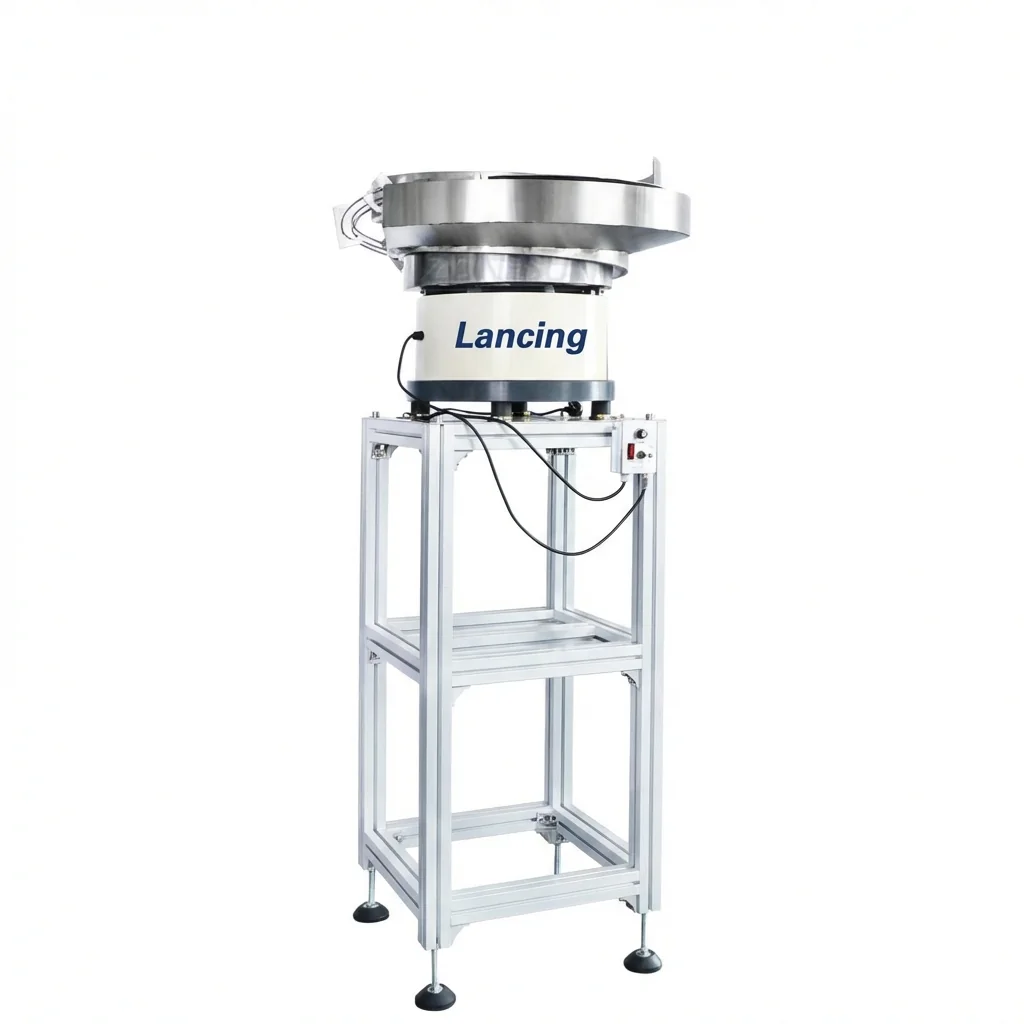
Planning details
These points help Lancing UK narrow the feeder route and avoid a generic specification.
| Area | What matters |
|---|---|
| Inputs to estimate | Operator time, hourly labour cost, stoppage frequency, target output and shift pattern. |
| Operational gains | Less manual sorting, steadier cap supply and fewer interruptions caused by misfeeds. |
| Project costs | Feeder, tooling, hopper, stand, controls, delivery, installation and change parts. |
| Best use | Lines where manual part loading is frequent, repetitive or a known bottleneck. |
Quick answers
Usually where manual loading is labour-heavy, line stoppages are frequent or consistent orientation is critical.
Yes. Stoppages, misfeeds and lost output can be as important as direct labour savings.
No. It depends on the real production pattern, feeder specification and how the line is operated.
Use these pages to compare related feeder options and prepare a stronger quote request.
Send samples, photos, required orientation and target output to Lancing UK.
Practical acceptance criteria
This additional section focuses on how to compare manual feeding with automated feeding using labour, downtime and line starvation evidence rather than repeating generic automation definitions.
| Briefing area | Evidence to collect | How it helps the feeder decision |
|---|---|---|
| Sample set | Good parts, rejected parts if available, drawings, photos, dimensions, material and finish notes. | Shows how the real component behaves in the bowl, track and reject route. |
| Required output | Target feed rate, line demand, acceptable accumulation and any stop/start sequence. | Prevents over-specifying or under-specifying the bowl, hopper and controller. |
| Orientation and handover | Required exit attitude, discharge height, downstream machine inlet, chute direction and pick point details. | Defines whether the system needs a bowl, linear track, chute, escapement or sensor confirmation. |
| Operating constraints | Noise, static, cleanability, coating, access, guarding, operator refill and maintenance expectations. | Highlights practical limitations before design, quotation and installation. |
If the requirement is a bowl, cap or component feeding project, move from the guide to the matching product route.
View productsIf the requirement starts with the cap, pump, trigger, screw cap or small component, use the application route first.
View applicationsWhen samples and line details are available, send them through the enquiry form so Lancing can assess the route.
Request a quote