How many samples should I send?
Enough to show normal variation and allow feeding behaviour to be assessed. More may be needed for complex projects.
Guide
What to send so a bowl feeder enquiry can be assessed accurately and quickly.
Specification focus
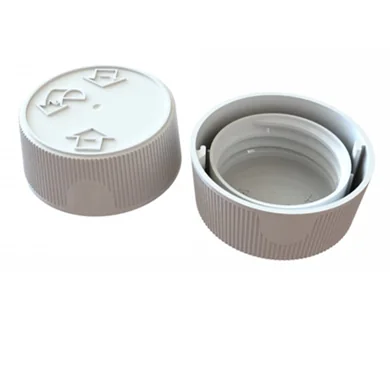
Samples are the fastest way to reduce uncertainty. They show how the part behaves in bulk, whether it nests or tangles, what features can be used for orientation and how much variation exists between parts.
Prototype parts may feed differently from final moulded, filled or finished parts.
Photos or sketches help define exactly how the part should leave the feeder.
The downstream process affects discharge height, chute design and queue control.
Planning details
These points help Lancing UK narrow the feeder route and avoid a generic specification.
| Area | What matters |
|---|---|
| Parts to send | Production samples of every cap, closure or component variant. |
| Useful documents | Drawings, photos, CAD files, container details and capper or fixture information. |
| Process details | Target output, required orientation, shift pattern, changeover and reject tolerance. |
| Site details | Footprint, utilities, access, noise constraints and environment. |
Quick answers
Enough to show normal variation and allow feeding behaviour to be assessed. More may be needed for complex projects.
Photos are useful for an initial view, but physical samples are normally needed before final specification.
Yes. Each size or material variation can behave differently and should be considered.
Use these pages to compare related feeder options and prepare a stronger quote request.
Send samples, photos, required orientation and target output to Lancing UK.
Practical acceptance criteria
This additional section focuses on sample quantity, variation, rejected parts, drawings, dimensions and target orientation evidence rather than repeating generic automation definitions.
| Briefing area | Evidence to collect | How it helps the feeder decision |
|---|---|---|
| Sample set | Good parts, rejected parts if available, drawings, photos, dimensions, material and finish notes. | Shows how the real component behaves in the bowl, track and reject route. |
| Required output | Target feed rate, line demand, acceptable accumulation and any stop/start sequence. | Prevents over-specifying or under-specifying the bowl, hopper and controller. |
| Orientation and handover | Required exit attitude, discharge height, downstream machine inlet, chute direction and pick point details. | Defines whether the system needs a bowl, linear track, chute, escapement or sensor confirmation. |
| Operating constraints | Noise, static, cleanability, coating, access, guarding, operator refill and maintenance expectations. | Highlights practical limitations before design, quotation and installation. |
If the requirement is a bowl, cap or component feeding project, move from the guide to the matching product route.
View productsIf the requirement starts with the cap, pump, trigger, screw cap or small component, use the application route first.
View applicationsWhen samples and line details are available, send them through the enquiry form so Lancing can assess the route.
Request a quoteA prototype can answer whether a part has a usable orientation feature without proving how the final component will feed. A printed model, machined sample and production moulding may share the same drawing while having different weight, surface texture, flexibility or contact behaviour. State which question a preliminary trial is intended to answer before treating its result as a production commitment.
Identify prototype samples clearly and keep them separate from released production parts. Record material, manufacturing route, finish and any dimensions that remain provisional. If the final part will be coated, lubricated or supplied in bulk bags, provide that information early so the trial report can identify which behaviours have not yet been demonstrated.
For final approval, supply the actual production version and compare it with the earlier sample reference. Recheck accepted orientation, contact marks and sustained delivery at the intended hand-off, concentrating on the differences introduced by the manufacturing change. This avoids rejecting a useful early feasibility study while preserving a clear boundary around what it proved. Send the sample revision and expected production changes with your feeder enquiry.
It can support early geometry assessment, but final feeding behaviour needs confirmation with the released material and production finish.
Update the sample reference and recheck the behaviours affected by material, finish, mass and geometry changes before final acceptance.
Prepare bowl-feeder acceptance tests Review component-specific feeder tooling