Keep tracks clean and consistent
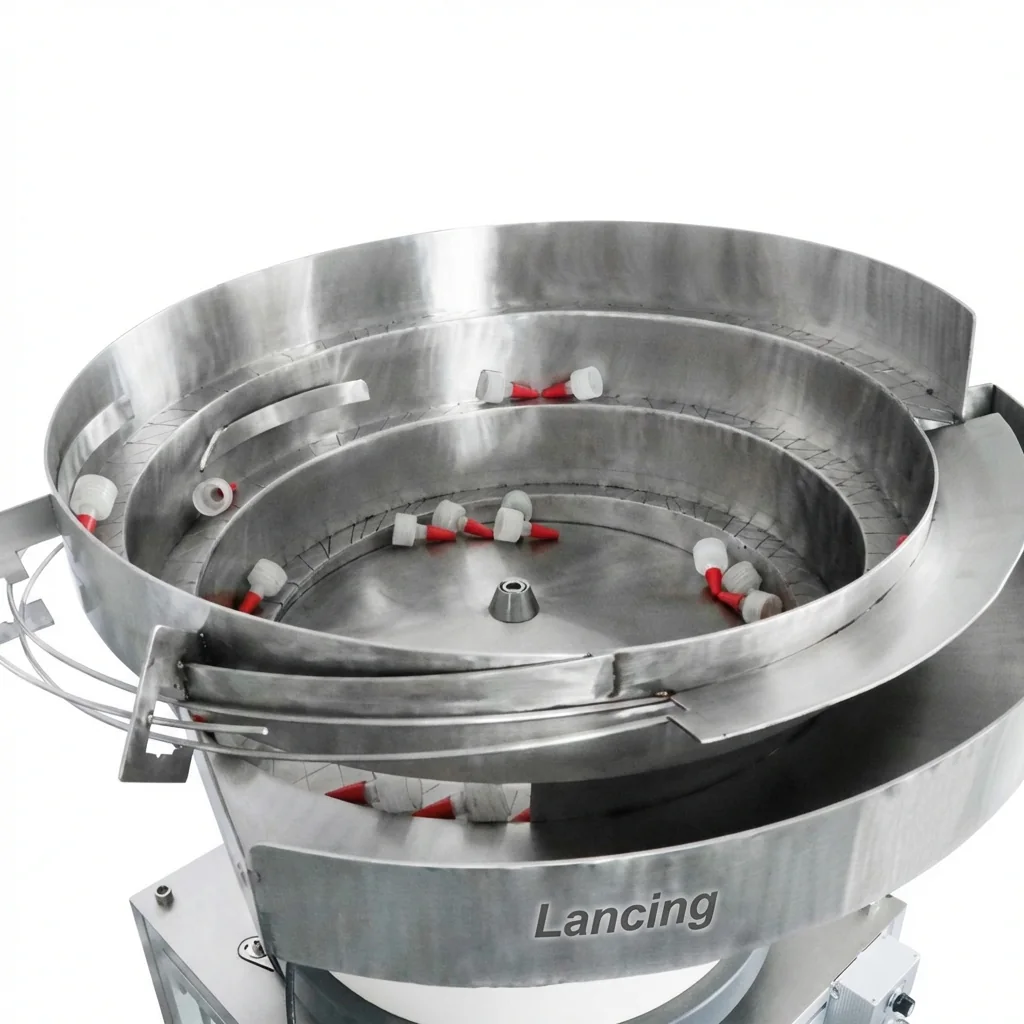
Dirt, label adhesive, powder, plastic dust or product residue can change friction and cause inconsistent feeding.
Guide
Regular checks help keep a bowl feeder stable, especially where caps, closures or components create dust, wear or build-up on the tracks.
Specification advice
Regular checks help keep a bowl feeder stable, especially where caps, closures or components create dust, wear or build-up on the tracks.
Important considerations
Dirt, label adhesive, powder, plastic dust or product residue can change friction and cause inconsistent feeding.
Loose tooling, moved sensors or damaged chutes can create intermittent feed issues that look like machine faults.
If a cap supplier changes material, liner, weight or moulding detail, the feeder may need adjustment even if the part looks similar.
FAQ
Cleaning frequency depends on product environment and component residue. High-dust or sticky environments need more frequent checks.
Common causes include dirty tracks, changed components, loose tooling, incorrect vibration settings or sensor/chute misalignment.
Yes. Small differences in weight, mould detail or finish can affect orientation and feed consistency.
Related routes
Send Lancing UK your samples, photos, dimensions and target output for a practical feeder recommendation.
Practical acceptance criteria
This additional section focuses on maintenance checks that protect feed rate, orientation consistency, sensors and tooling condition rather than repeating generic automation definitions.
| Briefing area | Evidence to collect | How it helps the feeder decision |
|---|---|---|
| Sample set | Good parts, rejected parts if available, drawings, photos, dimensions, material and finish notes. | Shows how the real component behaves in the bowl, track and reject route. |
| Required output | Target feed rate, line demand, acceptable accumulation and any stop/start sequence. | Prevents over-specifying or under-specifying the bowl, hopper and controller. |
| Orientation and handover | Required exit attitude, discharge height, downstream machine inlet, chute direction and pick point details. | Defines whether the system needs a bowl, linear track, chute, escapement or sensor confirmation. |
| Operating constraints | Noise, static, cleanability, coating, access, guarding, operator refill and maintenance expectations. | Highlights practical limitations before design, quotation and installation. |
If the requirement is a bowl, cap or component feeding project, move from the guide to the matching product route.
View productsIf the requirement starts with the cap, pump, trigger, screw cap or small component, use the application route first.
View applicationsWhen samples and line details are available, send them through the enquiry form so Lancing can assess the route.
Request a quoteUse the repair and upgrade guide when worn tooling, changed parts, obsolete controls or downstream interface changes go beyond routine maintenance.